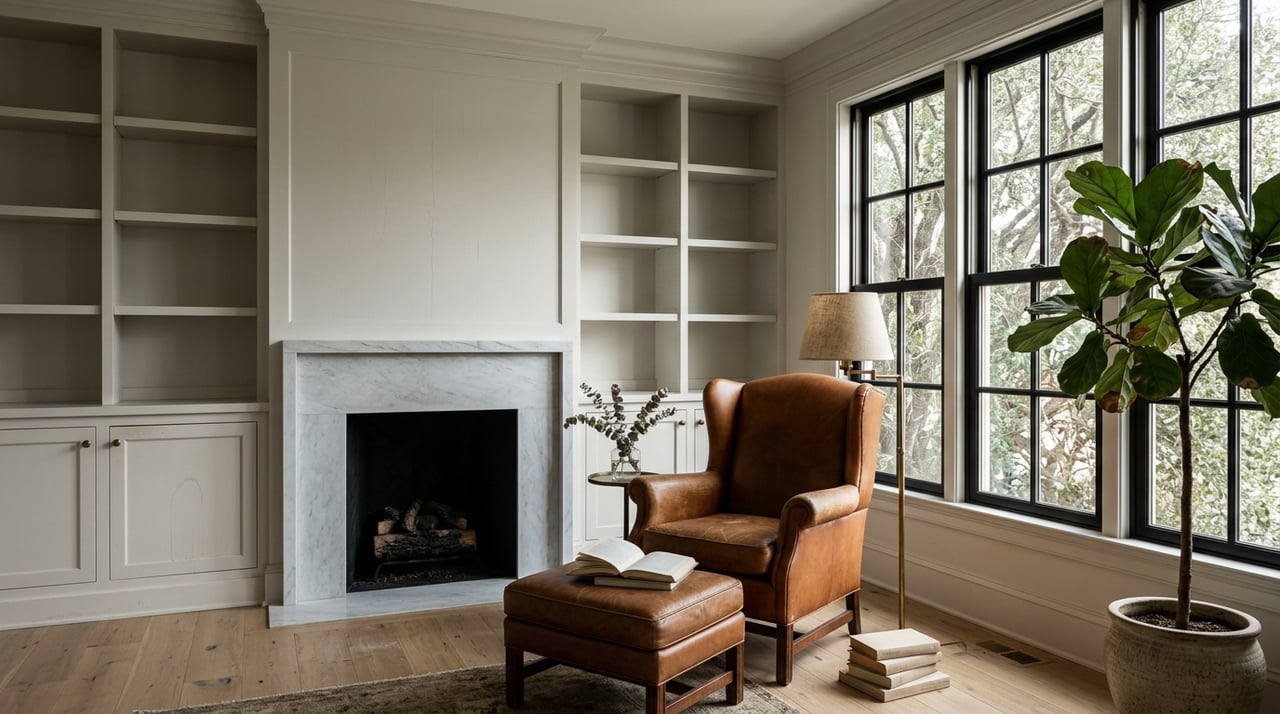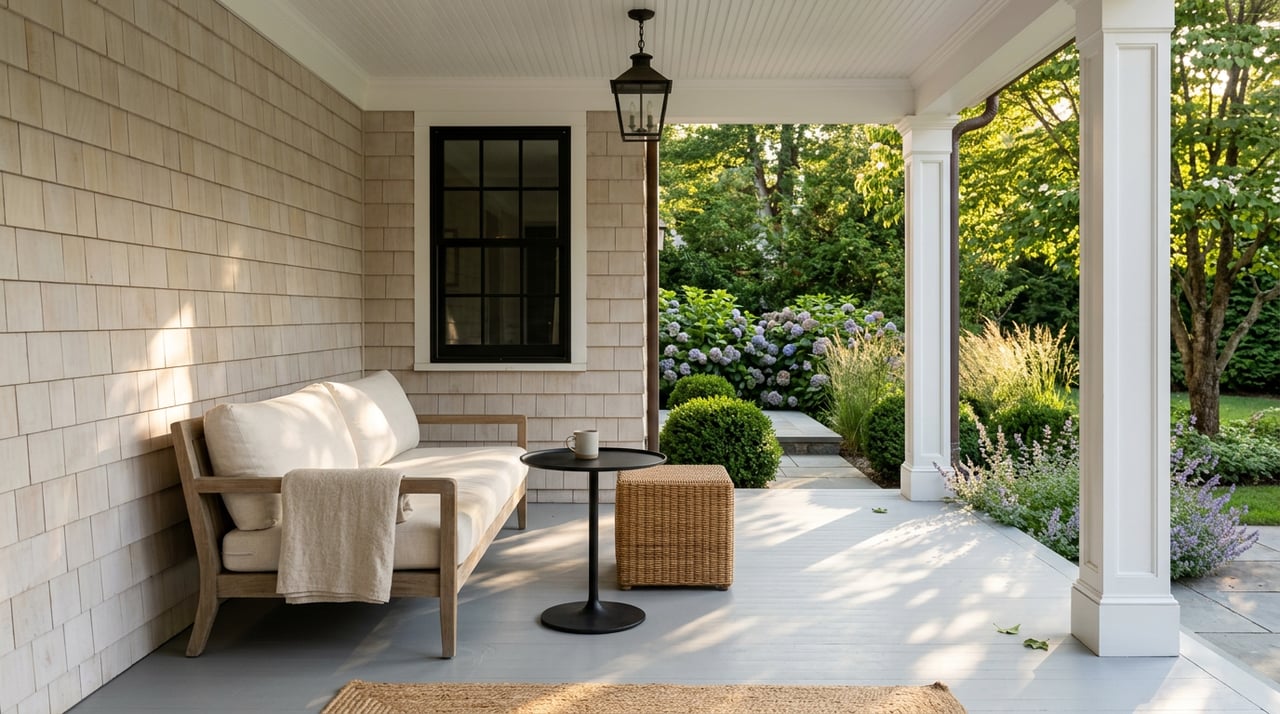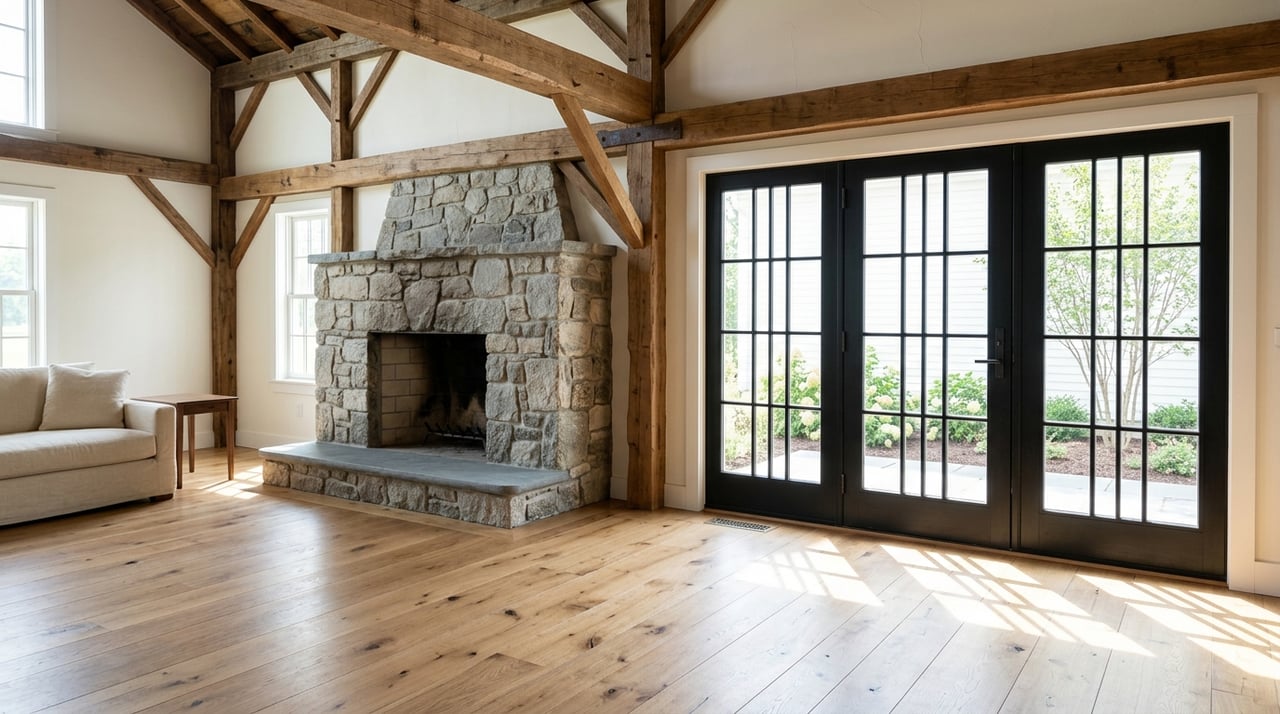
If you are drawn to homes with soul, Ridgefield makes a strong case right away. This is a town where architecture, landscape, and history still show up in everyday streetscapes, not just in a few landmark properties. If you are wondering what “historic” or “character” really means here, and what it means for buying, living in, or selling one of these homes, this guide will walk you through it. Let’s dive in.
Why Ridgefield Has So Much Character
Ridgefield was founded in 1708, and the town’s early home lots lined Main Street before the area evolved from farm lots into a commercial village and later a summer retreat for New Yorkers. That long development timeline helps explain why Ridgefield has such a varied housing stock instead of a single wave of newer suburban construction.
The town’s design guidelines describe Ridgefield’s community character as being shaped by historic buildings and sites across seven historic districts, with about 450 properties and sites on the State Register. Four historic districts and ten individual properties or sites are listed on the National Register of Historic Places, while only two local historic districts fall under the Historic District Commission’s regulatory oversight.
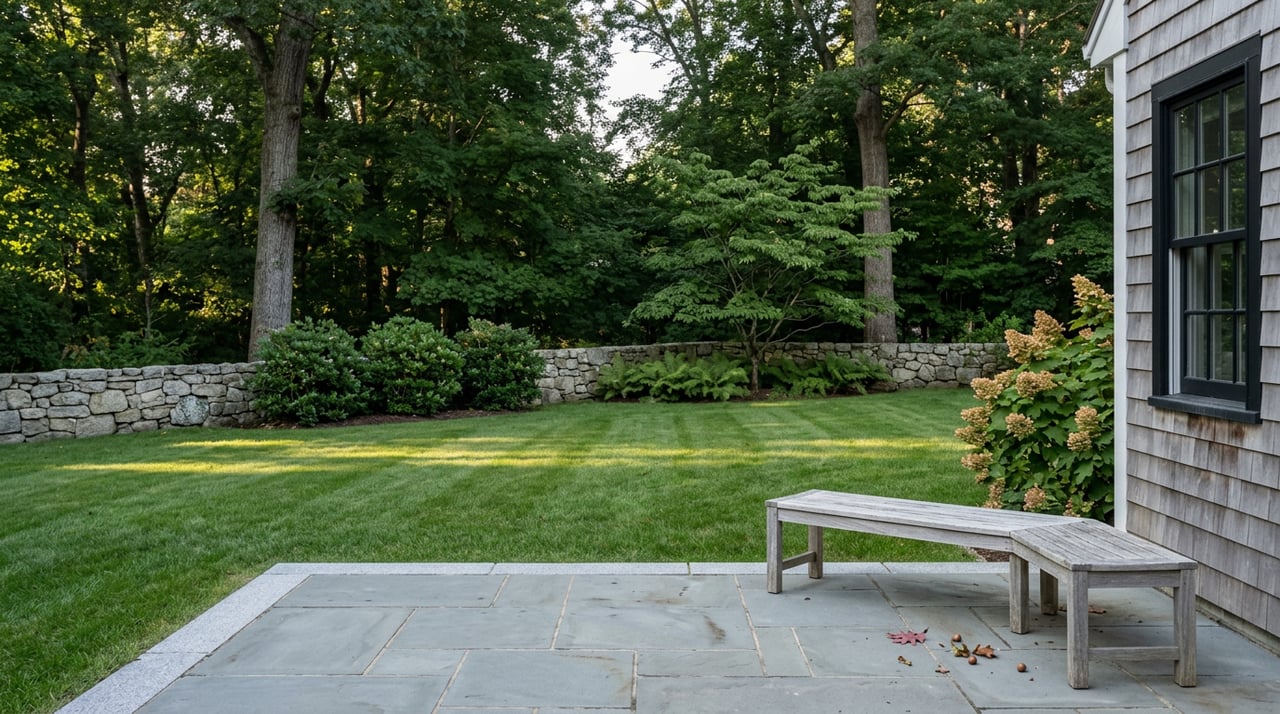
That distinction matters because Ridgefield’s appeal is not only about old houses. It is also about the broader setting, including open front and side yards, low stone walls, mature landscaping, and understated lighting. In many parts of town, the houses and the land still read as a historic New England townscape.
What Buyers See in Ridgefield
If you are house hunting in Ridgefield, you are likely to encounter a layered mix of home types rather than one dominant style. Local architectural references and historic documentation point to New England farmhouses, Cape Cods, Georgian and Federal houses, Greek Revival homes, Italianate and Queen Anne examples, Colonial Revival homes, and later Classical or Neo-Classical Revival buildings.
You will also see many vernacular houses, which often means practical homes shaped by local building traditions rather than strict textbook architecture. In Ridgefield, that can be part of the charm. Some of the most interesting homes are the ones that have evolved over time.
New England Farmhouses and Capes
Traditional New England farmhouses in Ridgefield are often rectangular and one-and-a-half to two-and-a-half stories tall, with a central entry, a large center chimney, and a symmetrical three-bay or five-bay facade. These homes tend to feel grounded and orderly from the street.
Cape-style homes are generally smaller, with a simple gabled form, central entry, and chimney. In some cases, later owners raised the roofline or expanded the upper level to create more useful space, so a Cape may have a more altered interior than its modest exterior suggests.
Georgian, Federal, and Greek Revival Influence
Some older Ridgefield homes reflect Georgian or Federal symmetry and proportion, while others show later Greek Revival details. In practice, many houses are not frozen in one period. Historic documentation for Ridgefield notes that 18th-century houses were often updated with later additions or stylistic changes.
That means you may walk into a home that began as an early center-chimney house and later gained a wing, a new porch, or Colonial Revival details. For many buyers, that layered history is part of the appeal.
Victorian and Revival-Era Homes
Ridgefield’s 19th-century country homes, especially on roads like High Ridge Avenue, East Ridge, and Prospect Ridge, include more decorative forms. Historic records describe Queen Anne houses with towers and shingles, Italianate houses with brackets and cupolas, Georgian Revival homes, and Colonial Revival houses with classical entries and multi-pane sash windows.
These homes often feel more expressive and more individually styled than earlier farmhouses or Capes. If you love visual detail, varied rooflines, and formal period features, this part of Ridgefield’s housing story is especially rich.
Why Many Homes Feel So Distinctive
One of the most important things to understand about Ridgefield homes is that many have changed over time. Historic records note that older homes were often enlarged, joined to later wings, moved, or visually transformed across different periods.
So when you tour a character home in Ridgefield, you are often seeing more than one chapter of design history. A house may combine original woodwork, porches, chimneys, dormers, and masonry with later additions or reworked living spaces. That blend can make a home feel more personal and more adaptable than its age alone might suggest.
From a livability standpoint, many older homes may feel more segmented and formal than newer open-plan construction. Based on the traditional center-hall and symmetrical layouts common in older Ridgefield homes, rooms may be more defined and circulation may feel more structured.
For some buyers, that is a drawback. For others, it is exactly the point. Distinct rooms, architectural detail, and a strong relationship between the house and the lot are often what make these homes memorable.
Outbuildings Add to the Story
Ridgefield’s historic-home inventory is not limited to the main house. Barns, carriage houses, studios, and other accessory buildings are also part of the local character.
The Ridgefield Historical Society has recognized not only houses but also accessory buildings through its plaque program. Local house histories include examples of a barn that became the Book Barn and a home, as well as a converted carriage house that is now a residence.
If you are shopping for a property with a little more flexibility or a more distinctive setting, these secondary structures can be a meaningful part of the value. They often reflect how a property has adapted over time while keeping a visible connection to its origins.
What to Know Before You Renovate
If a property is located in one of Ridgefield’s two locally regulated historic districts, exterior changes may be reviewed by the Historic District Commission. That review can apply to new construction, alterations, fences, walkways, lighting, signs, driveways, and parking areas.
Owners are expected to notify the commission before work begins, and a Certificate of Appropriateness may be required. The commission does not regulate interiors or exterior paint color, but other town reviews may still apply depending on the project, including planning and zoning, building, wetland, and health review.
Ridgefield’s design guidelines are based on the Secretary of the Interior’s Standards for the Treatment of Historic Properties, but the town notes that the guidelines are not absolute rules. Applications are reviewed on their own merit, which allows room for thoughtful modernization while preserving exterior character.
National Register vs Local Rules
This is one of the easiest points for buyers and sellers to confuse. National Register and State Register status are not the same as local historic district regulation.
According to Connecticut’s State Historic Preservation Office, National Register listing does not by itself prevent an owner from altering a property. In Ridgefield, the local rules that govern exterior work apply specifically within the two local historic districts.
That means a home can be historically significant without being subject to the same local review as a home inside a regulated district. For buyers, this is an important due diligence item early in the process.
Windows, Materials, and Maintenance
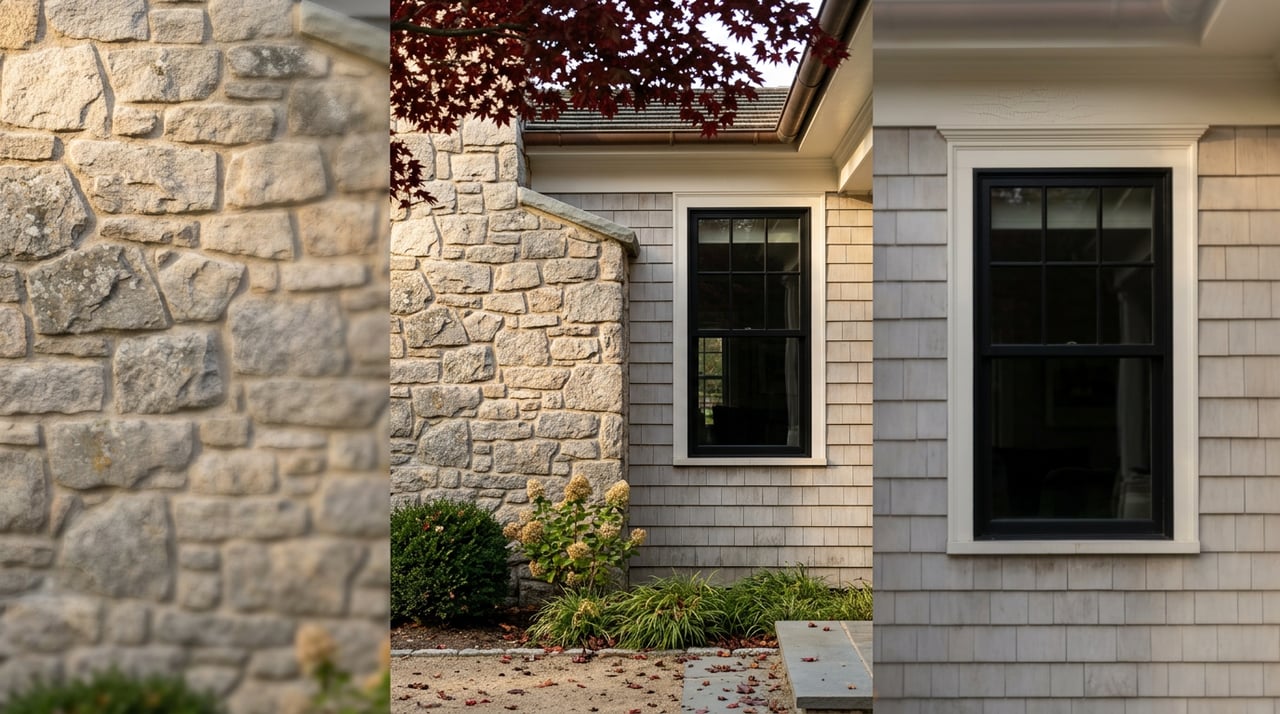
Original windows are often a major part of a historic home’s character. Preservation guidance cited in the research notes that repair should usually be the first option for historic windows, and that many have lasted well over 100 years with regular maintenance.
Storm windows can improve efficiency without erasing historic character. If windows are too deteriorated to repair, replacements should match original details and materials as closely as possible.
This is a good example of how owning a character home often works in practice. The key question is usually not whether an older home can function well today, but how intact its original features are and how carefully updates have been handled.
How to Research a Ridgefield Home
If you are serious about a historic or character home, background research can be incredibly useful. The Ridgefield Historical Society is a strong local resource, and its architectural survey recorded more than 500 buildings and structures.
The Society says its house historians use genealogical databases, newspaper archives, public library collections, historical society collections, and town archives to reconstruct a property’s story. That kind of research can help you understand original construction dates, additions, prior uses, and how the property changed over time.
For buyers, that context can shape renovation decisions and expectations. For sellers, it can also help tell the home’s story in a more compelling and accurate way.
Practical Due Diligence for Older Homes
Historic charm and practical due diligence should go hand in hand. If a home was built before 1978, it may contain lead-based paint, and sellers of most pre-1978 housing must disclose known lead hazards and provide the required federal pamphlet.
Asbestos is another issue buyers may encounter in older homes. It cannot be identified by sight alone, and suspect materials should be tested only if they are damaged or likely to be disturbed during renovation, using a trained and accredited professional.
A careful inspection matters in any purchase, but especially with an older home. You are not just evaluating style and setting. You are also looking at maintenance history, later improvements, and how well original materials have been preserved.
Why These Homes Continue to Appeal
What makes Ridgefield’s historic and character homes so compelling is not just age. It is the combination of preserved streetscapes, architectural variety, adaptable outbuildings, and a local preservation framework that helps protect exterior character.
For a design-conscious buyer, these homes offer something hard to replicate in newer construction. They often carry a strong sense of place, a more memorable relationship to the land, and details that give daily life a little more texture.
For sellers, that same character can be a real asset when it is presented thoughtfully. A home with history tends to resonate most when its features, updates, and setting are clearly understood and carefully showcased.
If you are considering buying or selling a distinctive Ridgefield home, thoughtful guidance can make the process feel much clearer. Kathleen Usherwood brings a design-trained eye and practical local perspective to homes where character, setting, and presentation truly matter.
FAQs
What makes a home in Ridgefield, CT a character home?
- In Ridgefield, a character home usually refers to a house with notable architectural style, historic features, layered additions, or a strong relationship to the town’s traditional streetscape and landscape.
Are all historic homes in Ridgefield, CT regulated the same way?
- No. National Register or State Register status is not the same as local historic district regulation, and Ridgefield’s exterior review rules apply specifically in the two locally regulated historic districts.
What architectural styles are common in Ridgefield, CT?
- Buyers often see New England farmhouses, Cape Cods, Georgian and Federal houses, Greek Revival homes, Italianate and Queen Anne examples, Colonial Revival homes, and other vernacular houses.
Can you renovate a historic home in Ridgefield, CT?
- Yes, but if the home is in one of Ridgefield’s locally regulated historic districts, certain exterior changes may require Historic District Commission review and a Certificate of Appropriateness.
What should buyers check before purchasing an older home in Ridgefield, CT?
- Buyers should review whether the property is in a locally regulated historic district, research the home’s history, and pay close attention to inspection items such as maintenance, later renovations, lead-based paint in pre-1978 homes, and any suspect asbestos-containing materials.
Why do Ridgefield, CT historic homes appeal to so many buyers?
- These homes often offer architectural detail, mature settings, stone walls, outbuildings, and a strong sense of place that can feel more distinctive and layered than newer construction.