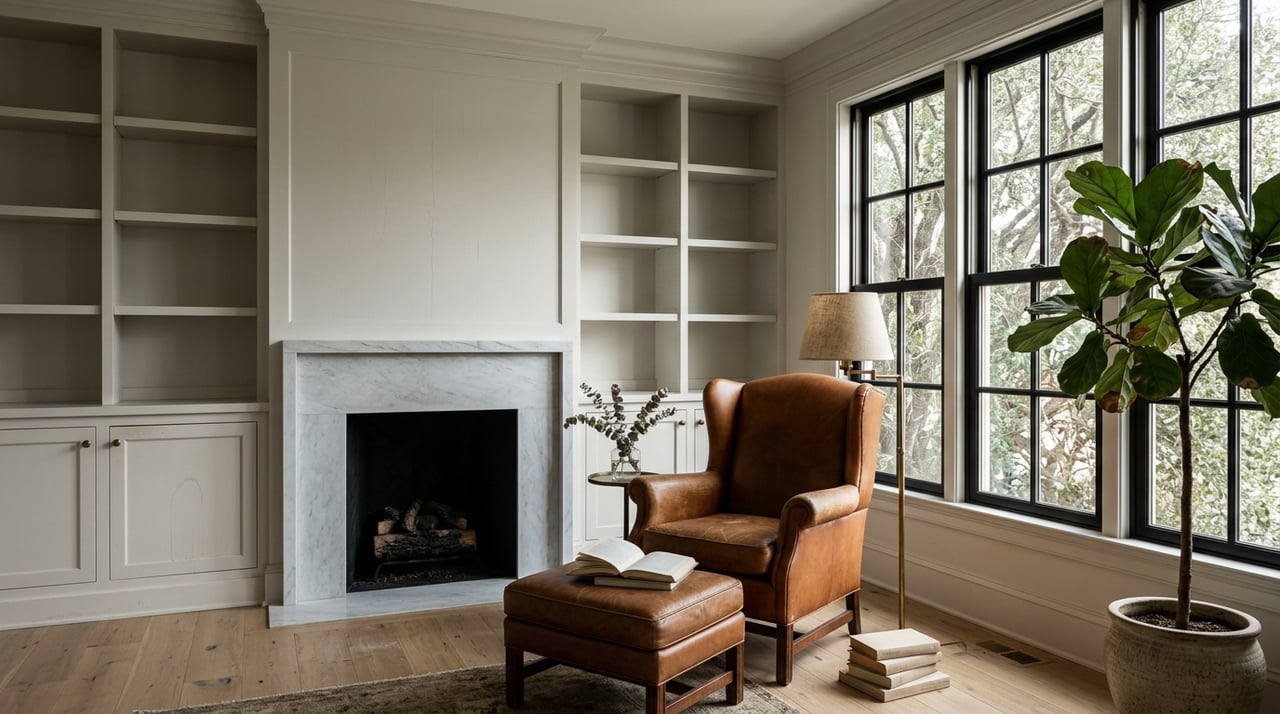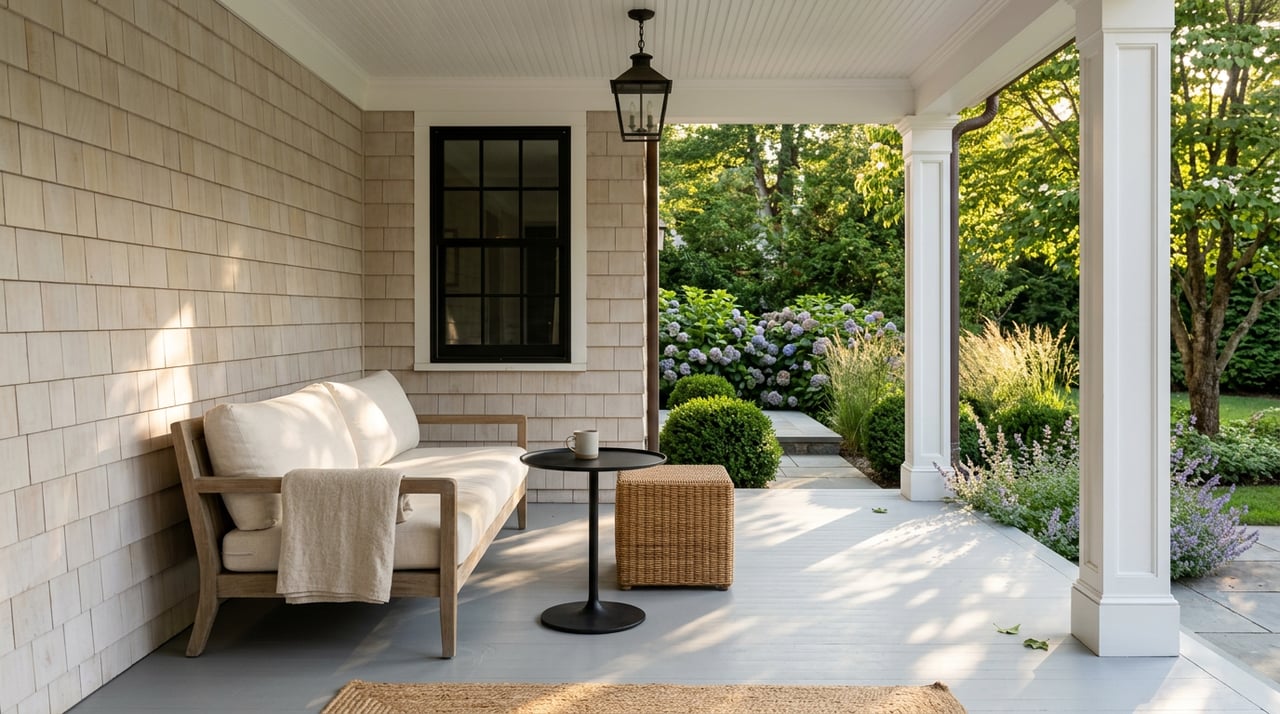
Choosing between North Stamford and Downtown Stamford often comes down to one simple question: Do you want more land or more convenience? If you are drawn to Stamford but torn between a wooded residential setting and a more urban daily rhythm, you are not alone. This guide will help you compare homes, lifestyle, transit, and day-to-day tradeoffs so you can decide which part of Stamford fits the way you want to live. Let’s dive in.
Stamford offers two distinct lifestyles
Stamford is large enough to support two very different living patterns within one city. According to current Census estimates, Stamford has a population of 139,535 across 37.62 square miles, with a population density of 3,601.3 people per square mile.
Citywide housing numbers also show a broad mix of living options. Stamford has an owner-occupied rate of 48.8%, a median owner-occupied home value of $624,400, a median gross rent of $2,276, a median household income of $111,586, and a mean commute time of 28.5 minutes.
That citywide context helps explain why North Stamford and Downtown Stamford can feel like different markets. Stamford’s 2035 Comprehensive Plan supports both patterns by preserving low-density neighborhoods and open space while directing most future development to downtown.
North Stamford at a glance
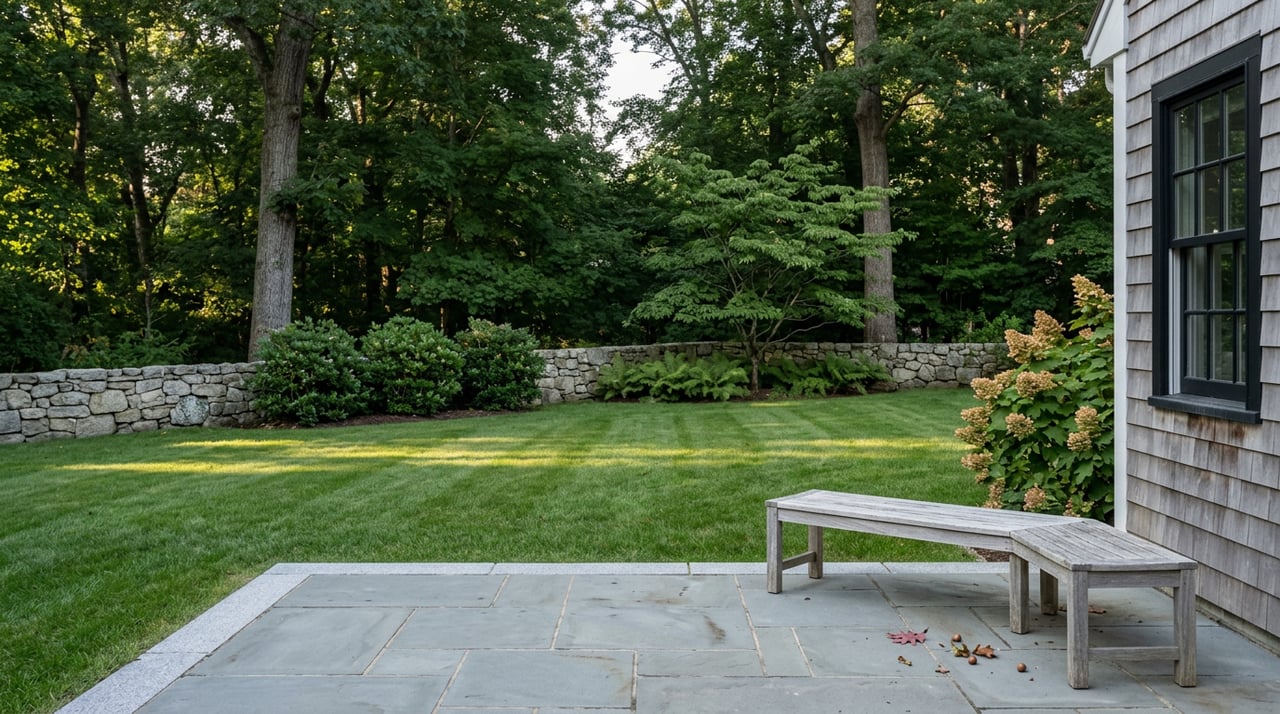
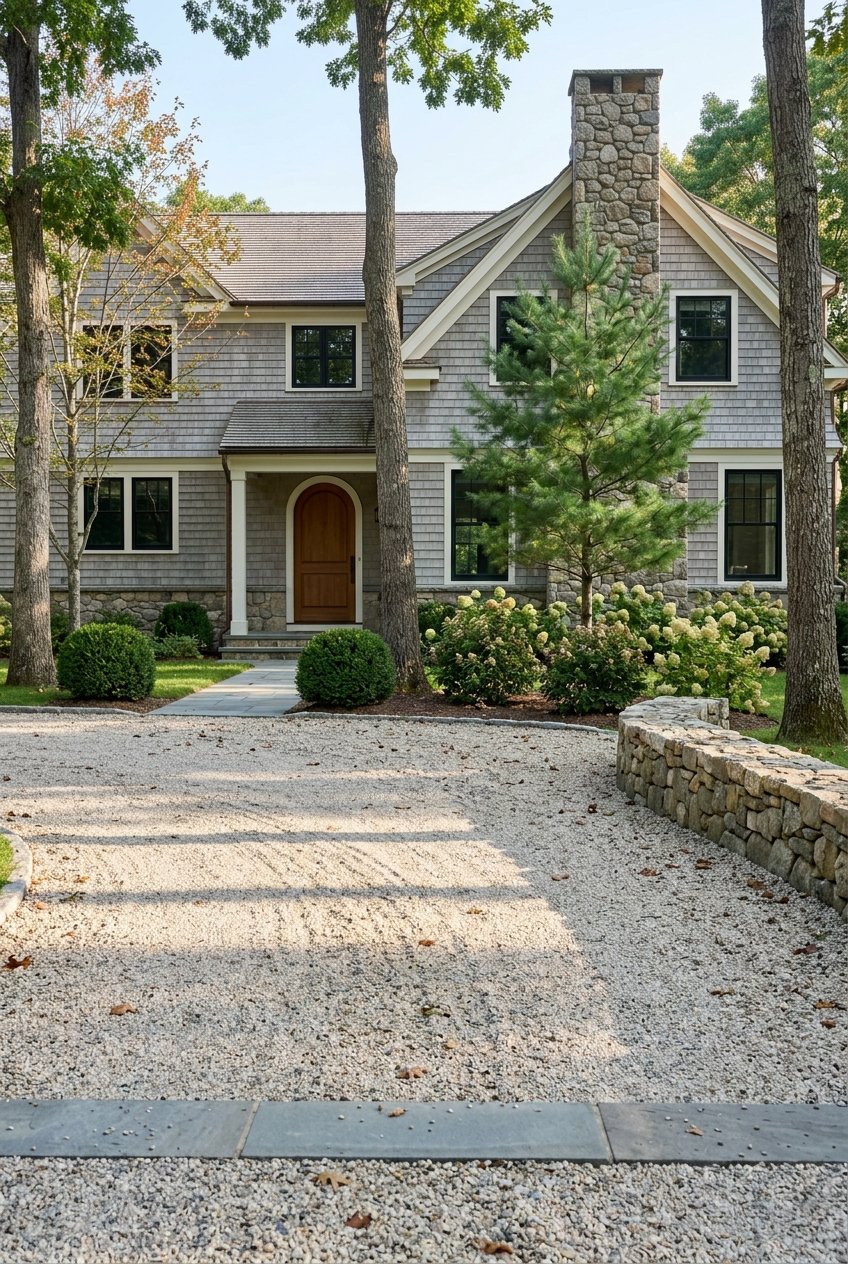
North Stamford is where the city feels most suburban. The area is identified in Stamford’s planning materials as low-density residential, and it is primarily dedicated to single-family detached homes.
The zoning framework reinforces that character. Stamford’s RA-1 district requires a minimum lot area of 1 acre, RA-2 requires 2 acres, and RA-3 requires 3 acres, with these districts intended to protect single-family homes on large lots in a rural setting.
For you as a buyer, that usually means more space between homes, more trees, and a more private feel. It can also mean more yard and exterior maintenance, which is an important part of the lifestyle equation.
What homes feel like in North Stamford
Homes in North Stamford are generally shaped by land, setback, and landscape. Streets in some areas, including the northern Long Ridge Road corridor described in a city transportation study, have a low-density rural residential character with homes set back on large wooded lots and no sidewalks.
That physical setting often creates a quieter, more tucked-away experience. If you value a home that feels removed from the rush of the day, North Stamford tends to deliver that sense of retreat.
What daily life feels like in North Stamford
North Stamford usually fits buyers who prioritize privacy, outdoor space, and a calmer street pattern. It is less about stepping out for a quick walk to dinner and more about enjoying your own property and nearby natural spaces.
The tradeoff is convenience. Based on the area’s low-density layout, wooded roads, and limited sidewalk infrastructure in some corridors, daily life in North Stamford is generally more car-dependent.
Downtown Stamford at a glance
Downtown Stamford is the city’s mixed-use, transit-oriented core. Official city and district materials describe it as the central business district, with close to 10 million square feet of Class A office space and a strong residential presence.
Current downtown district materials report 10,859 residential units in the district and greater downtown area, along with 1,365 planned residential units. The district population within a one-mile radius is reported at 56,206 people.
If North Stamford is about space and privacy, Downtown Stamford is about access and activity. It offers a more urban routine built around apartments, condos, offices, dining, and entertainment.
What homes feel like downtown
Downtown housing is geared more toward apartments, condos, and mixed-use buildings than large-lot detached homes. The city has also noted that newer apartment buildings concentrated in Downtown and the South End had a 94.9% average occupancy rate as of June 2023.
For many buyers and renters, that translates into lower exterior maintenance and more shared amenities. It also means less private land, which may be a plus or a minus depending on how you like to live.
What daily life feels like downtown
Downtown offers Stamford’s densest concentration of amenities. The Stamford Downtown Special Services District reports more than 110 restaurants and clubs, along with 6,006 businesses within a one-mile radius.
The district also recorded 10.9 million visits from 1.3 million unique visitors in 2024. That tells you a lot about the energy level: downtown is active, social, and designed for people who want a live-work-shop-dine routine close at hand.
Comparing homes and lifestyle
If you are trying to decide between North Stamford and Downtown Stamford, it helps to think beyond square footage. The better question is how you want your home to support your routine.
| Feature | North Stamford | Downtown Stamford |
|---|---|---|
| Housing pattern | Primarily single-family detached homes | Apartments, condos, and mixed-use buildings |
| Typical setting | Wooded, low-density, more private | Dense, active, amenity-rich |
| Lot size | Larger lots shaped by 1 to 3 acre zoning districts in many areas | Limited private land |
| Walkability | Generally lower | Generally higher |
| Transit access | More driving is typically needed | Easier access to transit and parking |
| Lifestyle focus | Space, privacy, nature | Convenience, dining, activity |
| Maintenance | More exterior upkeep is common | Lower-maintenance living is more common |
Walkability, transit, and commuting
For many people, the biggest day-to-day difference is how you get around. Downtown Stamford is the easier choice if walkability and transit are high on your list.
Downtown district materials say there are more than 9,500 parking spaces in 15 locations. They also note free Harbor Point trolley service with stops including the Transportation Center and Stamford Town Center.
The Connecticut Department of Transportation says CTtransit Stamford operates local bus routes in the greater Stamford area. The City of Stamford also notes that Metro-North’s New Haven Line connects Stamford to New York and other regional centers, and that the Stamford Transportation Center has elevator and ramp access.
North Stamford is different. In practical terms, it usually means more driving for errands, station access, and daily activities, especially compared with the downtown core.
Nature and recreation in North Stamford
One of North Stamford’s strongest lifestyle advantages is access to open space and outdoor recreation. If you want your weekends to include gardens, trails, and a more natural setting, this part of Stamford has real appeal.
The Bartlett Arboretum & Gardens is a 93-acre city facility with parkland, gardens, landscapes, and hiking trails. The Stamford Museum & Nature Center sits on 118 acres and includes a working farm and extensive trails.
The city also identifies parks such as Dorothy Heroy Park, Chestnut Hill Park, and Scofieldtown Park as wooded or suburban recreation areas. These places help define North Stamford not just as a housing choice, but as a lifestyle centered on greenery and breathing room.
Development patterns matter
If you are thinking long term, Stamford’s planning framework is worth noting. The city’s 2035 Comprehensive Plan makes clear that low-density neighborhoods and open space are meant to be preserved, while most future development is expected to be absorbed downtown.
The plan also states that 60% of Stamford’s land area is in the single-family future land-use category. It does not recommend citywide rezoning of single-family property to multi-family use.
That policy direction supports the ongoing contrast between these two areas. In simple terms, North Stamford is expected to remain more low-density, while Downtown Stamford is expected to keep growing as the city’s mixed-use center.
Which Stamford lifestyle fits you?
North Stamford is usually the better fit if you want detached homes, privacy, mature trees, and a more residential atmosphere. It often appeals to buyers who see home as a place to spread out and enjoy a quieter setting.
Downtown Stamford is usually the better fit if you want a walkable routine, easier transit access, dining options, and a lower-maintenance home. It tends to work well for people who want more of the city at their doorstep.
Neither choice is better across the board. The right move depends on whether you want your lifestyle to center on space and setting or access and activity.
If you are weighing Stamford neighborhoods and want help matching your priorities to the right home and location, Kathleen Usherwood can help you look beyond the listing details and focus on how a home will truly live for you.
FAQs
Is North Stamford or Downtown Stamford better for single-family homes?
- North Stamford is more closely associated with single-family detached homes on larger lots, while Downtown Stamford is more oriented toward apartments, condos, and mixed-use residential buildings.
Is Downtown Stamford more walkable than North Stamford?
- Yes. Downtown Stamford generally offers easier walkability, more concentrated amenities, parking facilities, bus access, and access to the Stamford Transportation Center.
Is North Stamford more private than Downtown Stamford?
- In general, yes. North Stamford’s large-lot zoning, wooded setting, and lower-density development pattern typically create a more private residential environment.
What is the main lifestyle difference between North Stamford and Downtown Stamford?
- North Stamford is generally about land, greenery, and a quieter routine, while Downtown Stamford is generally about convenience, restaurants, transit, and a more active urban setting.
Does Stamford plan to keep North Stamford low density?
- Stamford’s 2035 Comprehensive Plan supports preserving low-density neighborhoods and open space, while directing most future development toward downtown.